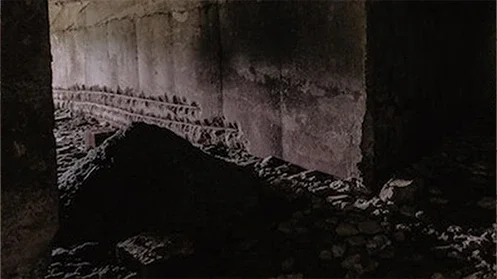
Concrete Basement Repair in Seattle
Most Seattle basements show their age in concrete: cracked slabs from hydrostatic uplift, bowing or cracked walls from saturated soil pressure, and dark stains along the floor-wall joint where water has been finding its way in for years. The right repair depends on which of those is actually failing — water, structure, or both — and Seattle’s wet-winter pattern means most diagnoses need to address both.
We perform a full inspection before quoting work: crack mapping, slab and wall measurements, drainage assessment around the perimeter, and downspout discharge tracking. From that we recommend the targeted repair — crack injection, carbon-fiber or steel wall reinforcement, interior drain systems, slab replacement — that addresses the cause rather than just the symptom. Cosmetic fixes that ignore the underlying drainage problem fail again within a few seasons.
Common basement concrete problems in Seattle
Seattle's high water table, expansive soils, and older housing stock (many basements date to the 1940s–1970s) produce predictable concrete failures. The most common: cracked slabs from hydrostatic uplift pressure, bowing or cracked foundation walls from lateral soil loading, and floor-to-wall joint separation where water finds its path. Concrete that has never been sealed degrades faster in Seattle's wet winters than in drier climates.
Waterproofing and drainage solutions
Most basement moisture problems start outside - improperly graded soil, clogged gutters, or downspouts discharging too close to the foundation. We address root causes first: regrading, extending downspouts, and clearing perimeter drainage. Interior solutions include crack injection (epoxy for structural cracks, polyurethane for active water leaks), interior drain systems, and crystalline waterproofing coatings on walls and slabs.
Basement concrete repair cost in Seattle
| Repair type | Typical cost | Notes |
|---|---|---|
| Crack injection (per crack) | $300–$800 | Epoxy (structural) or polyurethane (water-active) |
| Floor leveling (per sq ft) | $3–$8 | Self-leveling underlayment or mudjacking |
| Wall reinforcement | $3,000–$8,000 | Carbon fiber straps or steel I-beams for bowing walls |
| Interior drain system | $4,000–$12,000 | Perimeter channel + sump pump installation |
Most repairs complete in 1–3 days. We provide a written estimate after an on-site inspection, and all basement repair work comes with a written warranty.
Carbon-fiber straps vs. steel I-beams for bowing walls
When basement walls bow inward from saturated-soil pressure, two repair methods dominate. Carbon-fiber straps are 4-inch-wide bands epoxied to the interior wall face every 4–6 feet that prevent further inward movement without restoring the wall to plumb. Best for walls bowed less than 2 inches, installed in a single day, and visible only as a thin line on the wall (often painted over after install). Typically 4–8 straps per wall. Steel I-beams are full-height vertical posts anchored to the floor slab and ceiling joist that take the lateral load. Best for walls that have bowed more than 2 inches; requires deeper structural integration with the framing and is more visible in a finished basement. Typically 3–6 beams per wall. The choice depends on how much movement has already occurred, whether you plan to finish the basement, and what the structural engineer recommends after measuring the wall.
Sump pumps and interior drain systems
When water finds its way through the floor-wall joint or the slab itself, the interior solution is a perimeter drain with a sump pump. We saw-cut a channel along the inside basement perimeter, install perforated drain pipe in gravel, and route it to a sump basin with a 1/3 or 1/2 HP pump. The system intercepts groundwater before it pools on the floor and discharges it to daylight or storm drain. In Seattle’s wet winters this is often the only reliable fix when exterior excavation isn’t feasible (close lot lines, finished landscaping, attached neighbors). A properly sized sump runs 2–4 times per day during heavy rain; we install a battery backup pump on systems that can’t tolerate power-outage failures.
Frequently asked questions
What basement concrete problems do you fix?
Cracked slabs, settling floors, foundation wall cracks, water seepage, spalling, and basement floor leveling for finished-basement build-outs.
Why do basement floors crack in Seattle homes?
Settling subgrade, hydrostatic pressure from the high water table in many Seattle neighborhoods, and the age of the slab. We diagnose before repairing.
Can you waterproof a leaking basement?
Yes — we address both the source (drainage, grading, downspouts) and the symptom (crack injection, sealants, interior drain systems).
How long does basement repair take?
Most crack-repair and leveling jobs are completed in 1–3 days. Drainage and waterproofing work can take longer depending on excavation needs.
Will basement repair fix mold and moisture issues?
Repair plus drainage fixes usually resolves moisture. We coordinate with mold remediation specialists if existing mold needs treatment.
Related Services